
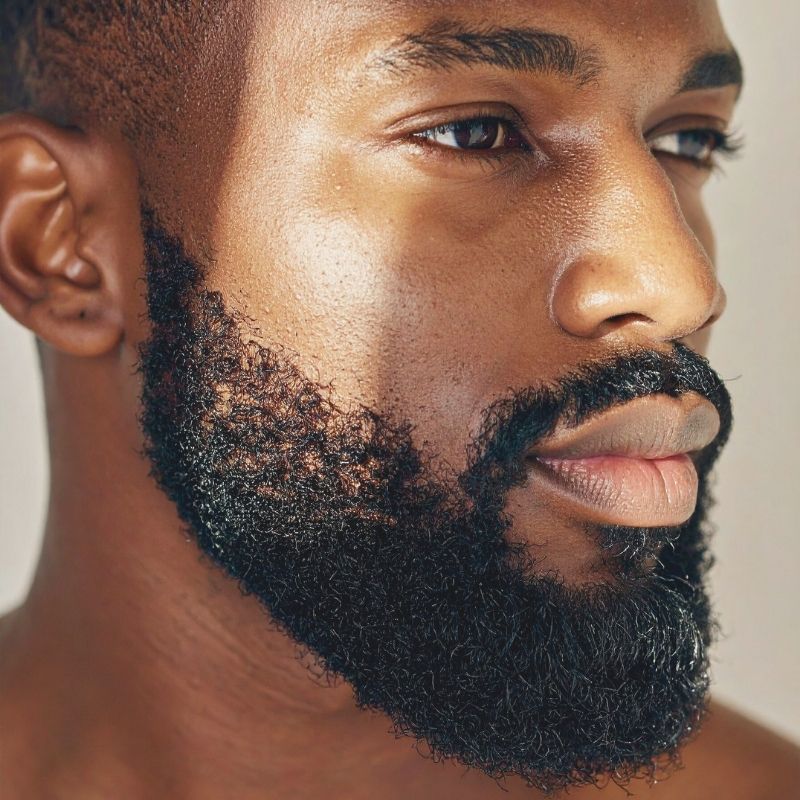
Seborrheic Dermatitis and Your Beard: How to Stop Flaking Without Shaving
You grew it out for months. Maybe years. Your beard is part of your identity, and now it’s covered in white flakes that land on your collar every time you scratch.
If this sounds familiar, you’re likely dealing with seborrheic dermatitis under your beard. It’s one of the most common and most frustrating places this condition shows up. And the most common advice you’ll find? Shave it off.
However, you don’t have to lose the beard to lose the flakes. Below, we'll cover why seborrheic dermatitis targets your facial hair, whether it's a full beard, a mustache, or just stubble, what actually works, and how to build a routine that keeps it clean, calm, and flake-free.
Why Does Seborrheic Dermatitis Love Your Beard?
Seborrheic dermatitis tends to show up wherever your skin has a high concentration of sebaceous (oil) glands. If the condition is new to you, our guide to what seborrheic dermatitis is and how to manage it covers the fundamentals. Your face, especially around the nose, eyebrows, and chin, is one of the most oil-rich areas on your body. Add a layer of facial hair on top, and you’ve created the perfect environment for flare-ups.
Here’s why your beard makes things worse:
Trapped moisture and oil. Facial hair holds sweat, oil, and dead skin cells close to the skin surface. This warm, moist environment is exactly where the Malassezia fungus (the yeast responsible for seborrheic dermatitis) thrives.
Reduced airflow. A clean-shaven face gets natural ventilation. Under a beard, air circulation drops significantly, which allows oil and fungal byproducts to build up instead of evaporating.
Product buildup. Many beard oils, balms, and butters contain ingredients that actively feed Malassezia. Oils like coconut oil, argan oil, and jojoba oil are common in beard care products, and they’re some of the worst offenders when it comes to fueling fungal overgrowth.
Less direct cleansing. It’s harder to clean the skin underneath a beard, especially a thick one. Many men wash their beard hair without actually reaching the skin beneath it, allowing sebum and dead cells to accumulate.
Beard Dandruff vs. Seborrheic Dermatitis: How to Tell the Difference
Not all beard flaking is seborrheic dermatitis. Simple dry skin can also cause flakes under your beard, especially during colder months.
Here’s a quick way to tell them apart:
Dry skin flaking typically shows up as small, white, dry flakes without redness or itching. It’s usually seasonal and responds well to basic moisturizing.
Seborrheic dermatitis presents with yellowish or greasy-looking flakes, redness or pinkness on the skin underneath, itching (sometimes intense), and a pattern that comes and goes in flare-ups rather than being constant.
If you notice redness, oily-looking scales, and persistent itching under your facial hair, you’re almost certainly dealing with seborrheic dermatitis. It’s worth mentioning that a dermatologist can give you a definitive diagnosis, especially if you’re unsure whether it’s seb derm, eczema, psoriasis, or contact dermatitis.
What Triggers Beard Seborrheic Dermatitis Flare-Ups?
Understanding your triggers is half the battle. While the root cause involves the Malassezia yeast and your skin’s inflammatory response to it, several things can make flare-ups worse:
Stress. Research consistently links stressful events to seborrheic dermatitis flare-ups. Your immune system’s ability to keep Malassezia in check weakens under chronic stress.
The wrong products. This is a big one. Most beard care products — oils, balms, waxes — contain oils with fatty acid chains between C11 and C24. These are essentially food for the Malassezia fungus. Every time you apply a standard beard oil, you may be making the problem worse.
Weather changes. Cold, dry weather can impair your skin barrier, while humidity and heat can increase oil production. Both extremes tend to trigger flares.
Irregular cleansing. Going too long without properly washing under your beard lets oil and dead skin accumulate. But over-washing can also strip your skin barrier and trigger a rebound flare.
Sweat. Exercise, hot weather, or anything that makes you sweat can irritate the skin beneath your beard and create conditions where Malassezia flourishes.
How to Treat Seborrheic Dermatitis Under Your Beard (Without Shaving)
The key to managing beard seb derm is a three-part approach: control the fungus, calm the inflammation, and protect your skin barrier — all without feeding the yeast.
Step 1: Clean the Skin Under Your Beard Properly
Standard beard shampoos and face washes often contain sulfates or oils that can irritate or feed the fungus. Instead, focus on gentle, fragrance-free cleansers that reach the skin beneath your facial hair.
When washing, use your fingertips to massage the cleanser through your beard and into the skin underneath. Don’t just lather the hair — the skin is where the problem lives. Rinse thoroughly, because any residual product can contribute to buildup.
For active flare-ups, some dermatologists recommend washing the beard area with a medicated shampoo containing ingredients like ketoconazole or zinc pyrithione, leaving it on for a few minutes before rinsing. However, these can be drying with long-term use.
Step 2: Apply a Targeted Treatment That Won’t Feed the Fungus
This is where most men go wrong. After washing, they reach for a conventional beard oil to hydrate, not realizing that the oil is feeding the exact fungus causing the problem.
What you need is a treatment that does three things simultaneously: fights the Malassezia yeast, soothes inflamed skin, and moisturizes — all without using oils that fuel fungal overgrowth.
Octaskin Serum was designed specifically for this. It uses MCT oil (caprylic/capric triglycerides), which has antifungal properties rather than feeding Malassezia. It also contains salicylic acid to gently exfoliate flakes, along with anti-inflammatory botanicals to calm redness and irritation. It’s fragrance-free, vegan, and formulated for sensitive skin on the face, scalp, and beard.
To apply, work a few drops through your beard and into the skin underneath — ideally in the evening so the active ingredients can work overnight.
Step 3: Protect Your Skin Barrier
A damaged skin barrier leads to more oil production, more fungal overgrowth, and more flares. To protect it:
Avoid hot water on your face and beard. Lukewarm is best.
Pat dry instead of rubbing. Friction irritates inflamed skin.
Don’t over-wash. Once daily is usually enough for the beard area unless you’ve been sweating heavily.
Skip harsh exfoliants. Physical scrubs can tear at irritated skin and worsen the cycle.
Products to Avoid When You Have Beard Seborrheic Dermatitis
If you have seb derm under your beard, scrutinize every product you put on your face. Here are the main categories to avoid:
Beard oils with long-chain fatty acids. This includes products made with coconut oil (despite its reputation as a "natural" remedy), argan oil, jojoba oil, olive oil, castor oil, and sweet almond oil. These oils contain fatty acids in the C11–C24 range that Malassezia feeds on.
Heavy beard balms and waxes. These tend to be occlusive, trapping oil and moisture against the skin and creating an ideal fungal environment.
Fragranced products. Synthetic fragrances and even some essential oils can irritate already-compromised skin. Stick with fragrance-free formulations.
Products with certain esters and polysorbates. Ingredients like isopropyl myristate, glyceryl stearate, and polysorbate 60/80 have been shown to feed Malassezia in laboratory studies.
Building a Malassezia-Safe Beard Routine
Here’s a simple daily routine that keeps your beard clean and your skin calm:
Morning: Rinse your beard with lukewarm water. If needed, use a gentle, fragrance-free cleanser. Pat dry.
Evening: Wash the beard area with a gentle cleanser, working it into the skin. Pat dry. Apply Octaskin Serum through the beard and into the skin underneath. Leave on overnight.
Weekly: If flaking is heavy, you can use a medicated wash (like ketoconazole shampoo) on the beard area once or twice per week as a short-contact treatment. Apply, leave for 3–5 minutes, then rinse.
As needed: If you notice early signs of a flare-up; increased itching, visible flakes, redness, increase your Octaskin Serum application and make sure you’re not using any products that could be feeding the fungus.
When to See a Dermatologist
If your beard seborrheic dermatitis is severe, spreading, or not responding to consistent at-home treatment after several weeks, it’s a good idea to see a board-certified dermatologist. They may recommend prescription-strength antifungal treatments, short-term topical corticosteroids for acute inflammation, or help you rule out other conditions like psoriasis or contact dermatitis.
The Bottom Line
You don’t need to sacrifice your beard to manage seborrheic dermatitis. The key is understanding that the skin under your beard needs targeted care — not just any beard oil off the shelf. By keeping the area clean, using Malassezia-safe treatments like Octaskin Serum, and avoiding products that feed the fungus, you can keep your beard and your confidence intact.
Sources & Further Reading:
- American Academy of Dermatology – Seborrheic Dermatitis Self-Care (aad.org)
- National Eczema Association – Seborrheic Dermatitis Under Beards (nationaleczema.org)
- DermNet – Seborrheic Dermatitis: Causes and Treatment (dermnetnz.org)
- American Academy of Family Physicians – Treatment of Seborrheic Dermatitis (aafp.org)
Octaskin Serum is designed for use on the scalp, face, and beard. It is a cosmetic product and is not intended to diagnose, treat, cure, or prevent any disease. Always consult a healthcare professional for medical advice.
Related reading: Understanding Seborrheic Dermatitis · Does Apple Cider Vinegar Help Seborrheic Dermatitis? · Is Squalane Good and Safe for Seborrheic Dermatitis? · Is Coconut Oil Bad for Seborrheic Dermatitis? An Honest Look at the Lauric Acid Question
Read more
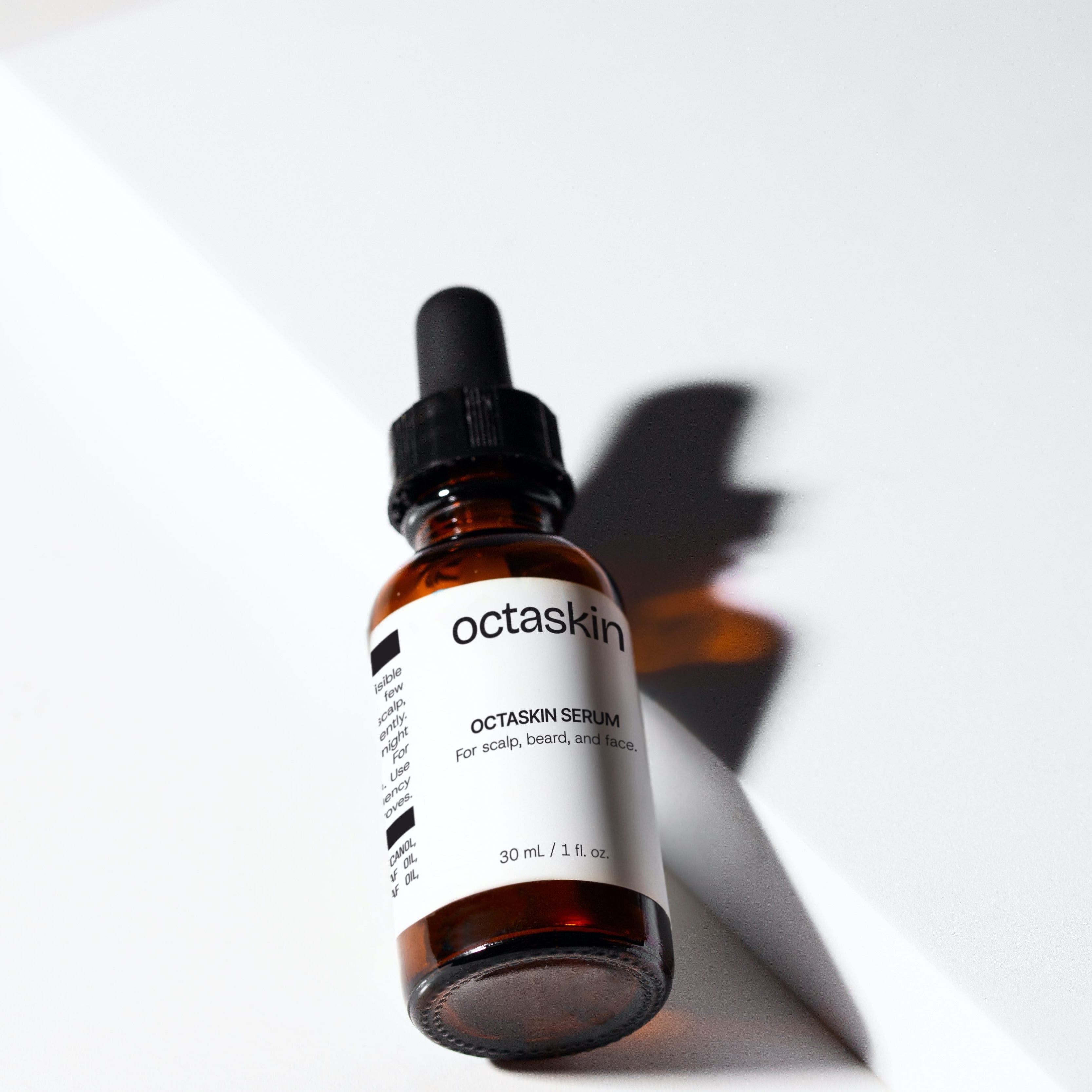
You’ve got your serum, now let’s make sure you get the best results. This guide covers everything from how to apply Octaskin Serum to smart skincare dos and don’ts. Learn which oils can worsen sebo...

What causes seborrheic dermatitis: the Malassezia yeast, the free fatty acids it releases, and why your own immune reaction makes it keep coming back.