
Seborrheic Dermatitis on Your Eyebrows: How to Calm the Flakes
Seborrheic Dermatitis on Your Eyebrows: How to Calm the Flakes
By the Octaskin Team. Last updated June 2026. This article is educational and is not a substitute for medical advice; the guidance below is drawn from dermatology sources cited throughout.
To calm seborrheic dermatitis on your eyebrows, gently clean the area, treat it with an antifungal or a Malassezia-safe product the yeast cannot feed on, and skip the heavy oils and fragranced brow products that make it worse. Apply everything carefully and keep it well away from your eyes. Most cases settle within a couple of weeks of consistent care.

Why seborrheic dermatitis shows up in your eyebrows
Your eyebrows sit in one of the oiliest zones on your face, right alongside the sides of your nose and your hairline. Seborrheic dermatitis is driven by a yeast called Malassezia that lives on everyone's skin and does well where oil is plentiful. As described in StatPearls (NCBI), a key driver of the condition is how your skin reacts to this yeast and the byproducts it makes from skin oils. Around your brows that reaction shows up as flaking and redness, and sometimes an itch.
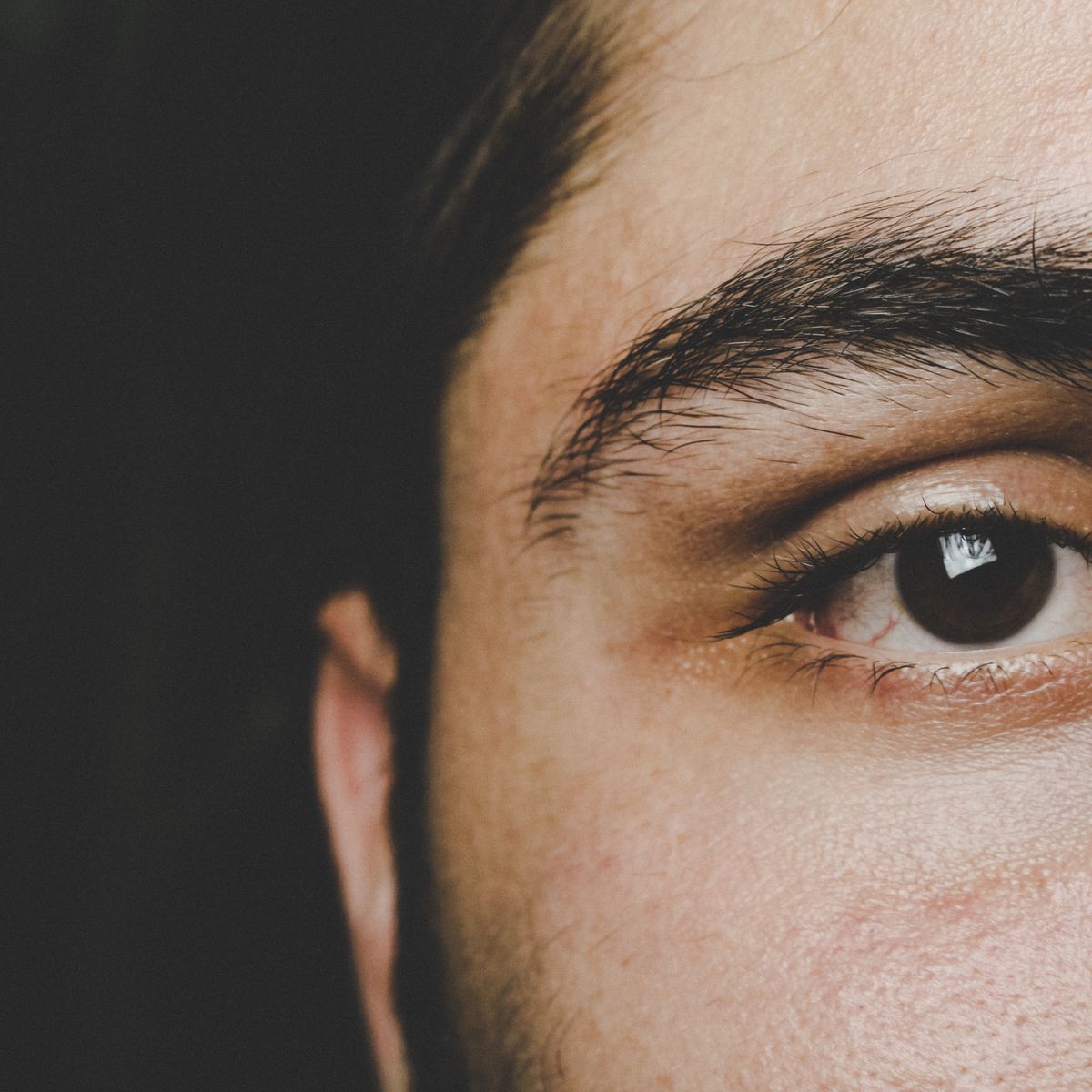
Eyebrow seborrheic dermatitis usually shows up as greasy, yellowish or white flakes clinging to the brow hairs and the skin beneath, with some pink or red irritation underneath. It often appears on both brows at once. For the bigger picture of the condition, see our guide to understanding seborrheic dermatitis.
Eyebrow dandruff, dry skin, or eczema? How to tell
Flaky brows are not always seborrheic dermatitis. Here is how the common causes differ. For a deeper look specifically at seborrheic dermatitis versus eczema, see our full comparison guide.
| Sign | Seborrheic dermatitis | Dry skin | Eczema |
|---|---|---|---|
| Flakes | Greasy, yellowish | Fine, white, dry | Dry, rough patches |
| Redness | Yes, pink or red underneath | Little to none | Yes, often inflamed |
| Itch | Sometimes | Mild | Usually intense |
| Pattern | Oily zones, often both brows | Anywhere dry | Often elsewhere too |
If the patches are intensely itchy or you have eczema elsewhere, it may be eczema instead. When you are unsure, a dermatologist can tell the difference quickly.
How to treat seborrheic dermatitis on your eyebrows
The eyebrow area needs a gentler, more careful approach than your scalp, simply because it is so close to your eyes. Work in small amounts and go slowly.
- Cleanse the brows gently. Use a fragrance-free cleanser and your fingertips, not a scrub. Lifting the loose flakes first lets any treatment reach the skin.
- Treat with an antifungal. The American Academy of Dermatology lists antifungal products among the core treatments. Some people dab a little antifungal dandruff product (with ketoconazole, zinc pyrithione, or selenium sulfide) onto the brows. If you do, lather it on your fingertips first and apply a small amount to the brow only.
- Hydrate with a Malassezia-safe product. A lightweight leave-on based on squalane or C8/C10 oils calms the skin without feeding the yeast.

Does it cause eyebrow hair loss?
This is a common worry, and the answer is mostly reassuring. Seborrheic dermatitis does not directly make your eyebrow hairs fall out. Long-term inflammation of an itchy brow can lead to thinning or temporary loss, though, a sign doctors call madarosis, and Cleveland Clinic lists seborrheic dermatitis and inflammation among its causes. The brows usually grow back once the inflammation is under control, which is a good reason to treat a brow flare rather than wait it out.
What to avoid on your brows
A few common habits keep eyebrow flares going.
- Heavy plant oils like coconut, olive, argan, and castor. These are rich in the longer-chain fatty acids Malassezia feeds on, so a "natural" brow oil can backfire.
- Fragranced brow gels, pomades, and serums, which can irritate already inflamed skin.
- Scrubbing or picking at the flakes, which inflames the skin and risks the thinning described above.
- Neat essential oils near the eyes, which can both irritate and, in some cases, feed the yeast.
A simple daily eyebrow routine
Keep it short and consistent. Cleanse gently morning and night, treat with your chosen antifungal a few times a week, and hydrate with a lightweight, Malassezia-safe leave-on. A leave-on that combines a low level of salicylic acid with C8/C10 oils fits well here, because it loosens flakes while hydrating without feeding the yeast. This is the niche the Octaskin Serum was built for: 2% salicylic acid in a C8/C10 Malassezia-safe base, fragrance-free and dye-free. When you use it near the brows, apply a small amount with clean fingertips and keep it off your eyelids and lash line. Used regularly, it helps keep eyebrow flaking and redness down. It manages the condition rather than removing it. Our full face routine shows how the same approach works across the rest of your face.
Can you wear brow makeup while it heals?
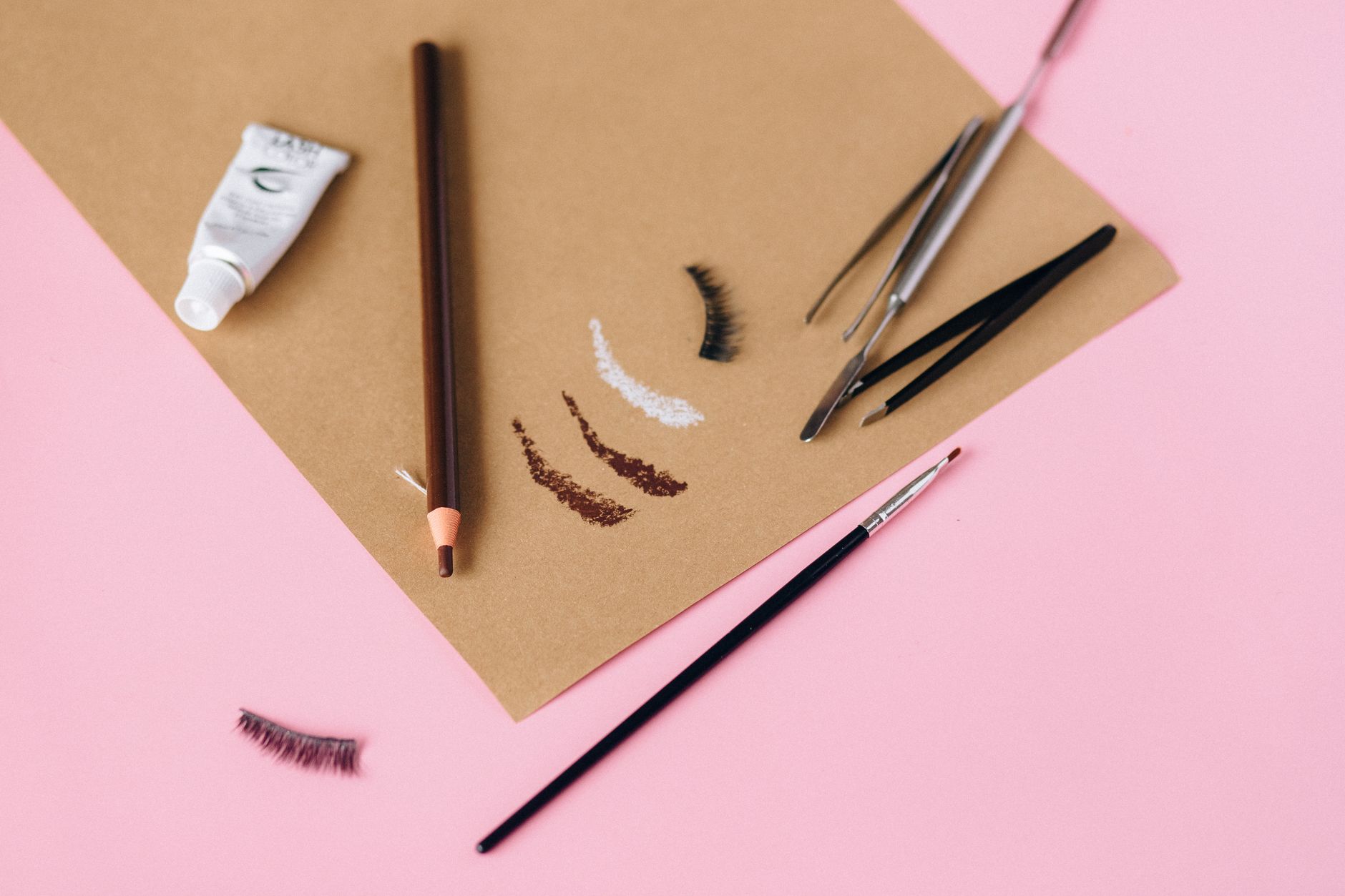
You can, with a little care. Skip waxy, fragranced brow pomades and gels during a flare, since they trap buildup and can irritate inflamed skin. If you fill your brows, a simple powder or pencil applied lightly is the safer choice. Remove it gently each night with a fragrance-free cleanser so flakes and product do not collect through the brow. Give the skin some product-free time when you can, especially overnight while you treat the area.
When to see a dermatologist
If your brows are not improving after two to three weeks of careful care, if the skin is very inflamed or weeping, or if you notice ongoing hair thinning, see a dermatologist. They can confirm it is seborrheic dermatitis and prescribe stronger options that are safe to use near the eyes.
If flaking or crusting shows up on your eyelids specifically rather than just your brows, that location needs a more careful approach. See our guide to seborrheic dermatitis on the eyelids for what is actually safe there.
Frequently asked questions
Can you put dandruff shampoo on your eyebrows?
Many people do, carefully. Lather an antifungal dandruff shampoo on your fingertips, apply a small amount to the brows, leave it briefly, and rinse without getting it in your eyes. Stop if it stings.
Why are my eyebrows so flaky?
The most common cause is seborrheic dermatitis, because the brow area is oil-rich and supports the Malassezia yeast behind the condition. Dry skin and eczema can also cause flaking, so check the signs above.
Do eyebrows grow back after seborrheic dermatitis?
Usually yes. Seborrheic dermatitis does not directly cause permanent loss, and any thinning from scratching or long-term inflammation tends to recover once the flare is treated.
Is seborrheic dermatitis on the eyebrows contagious?
No. It is your skin's reaction to a yeast that normally lives on everyone, so you cannot catch it or pass it to someone else.
How long does it take to clear?
With a consistent routine, most people see eyebrow flaking and redness calm within about two weeks, though the tendency stays, so light ongoing care helps prevent the next flare.
Related reading: Understanding Seborrheic Dermatitis · Does Apple Cider Vinegar Help Seborrheic Dermatitis? · Is Squalane Good and Safe for Seborrheic Dermatitis? · Is Coconut Oil Bad for Seborrheic Dermatitis? An Honest Look at the Lauric Acid Question
Read more

Does diet affect seborrheic dermatitis? An honest, evidence-based look at foods that may help, foods that may trigger flares, and the lever that matters more.
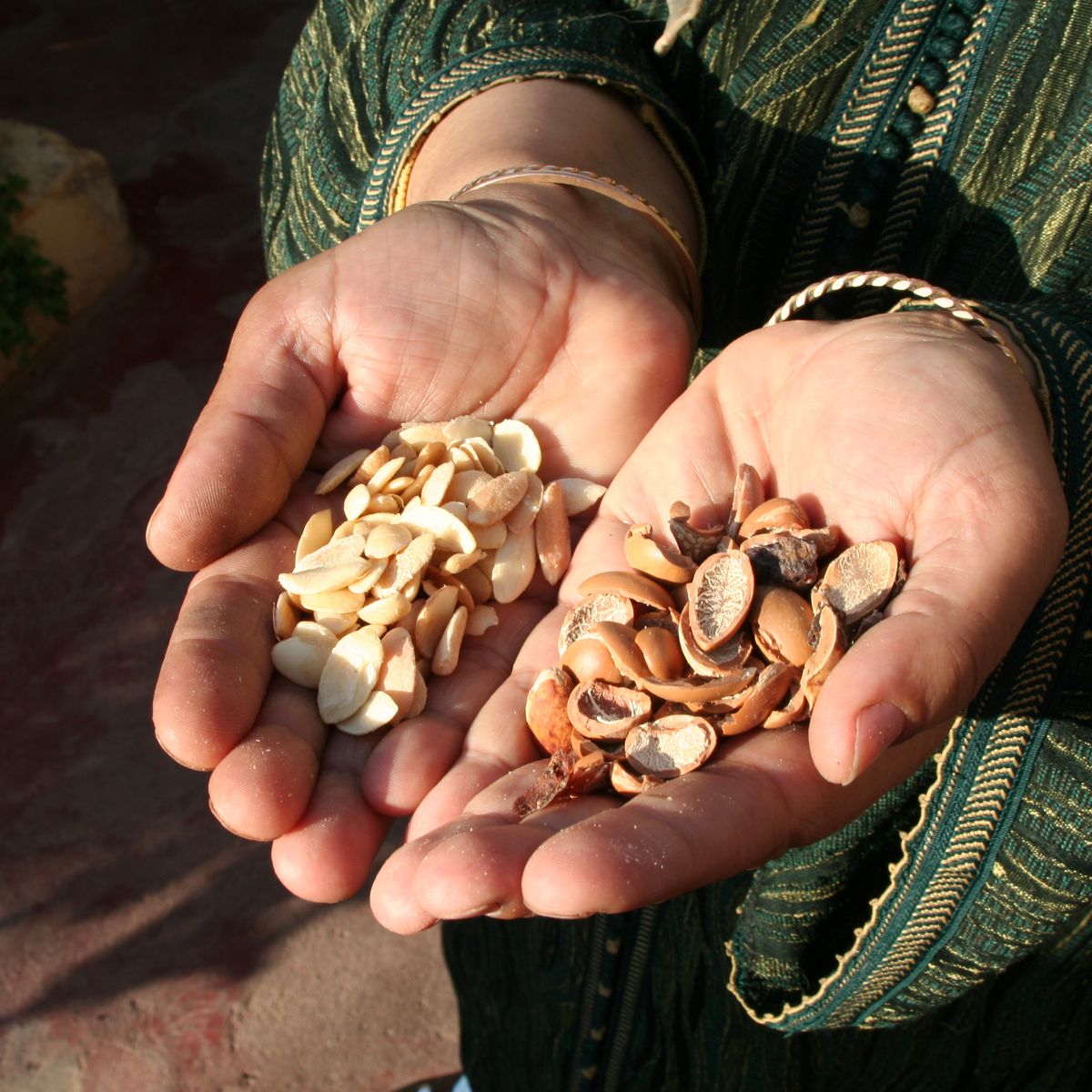
Does argan oil feed Malassezia? Its high oleic acid makes argan a risky pick for seborrheic dermatitis. Here is the science and safer oils to use instead.