

Does Seborrheic Dermatitis Cause Hair Loss?
Does Seborrheic Dermatitis Cause Hair Loss?
By the Octaskin Team. Last updated September 2026. This article is educational and is not a substitute for medical advice; the guidance below is drawn from dermatology sources cited throughout.
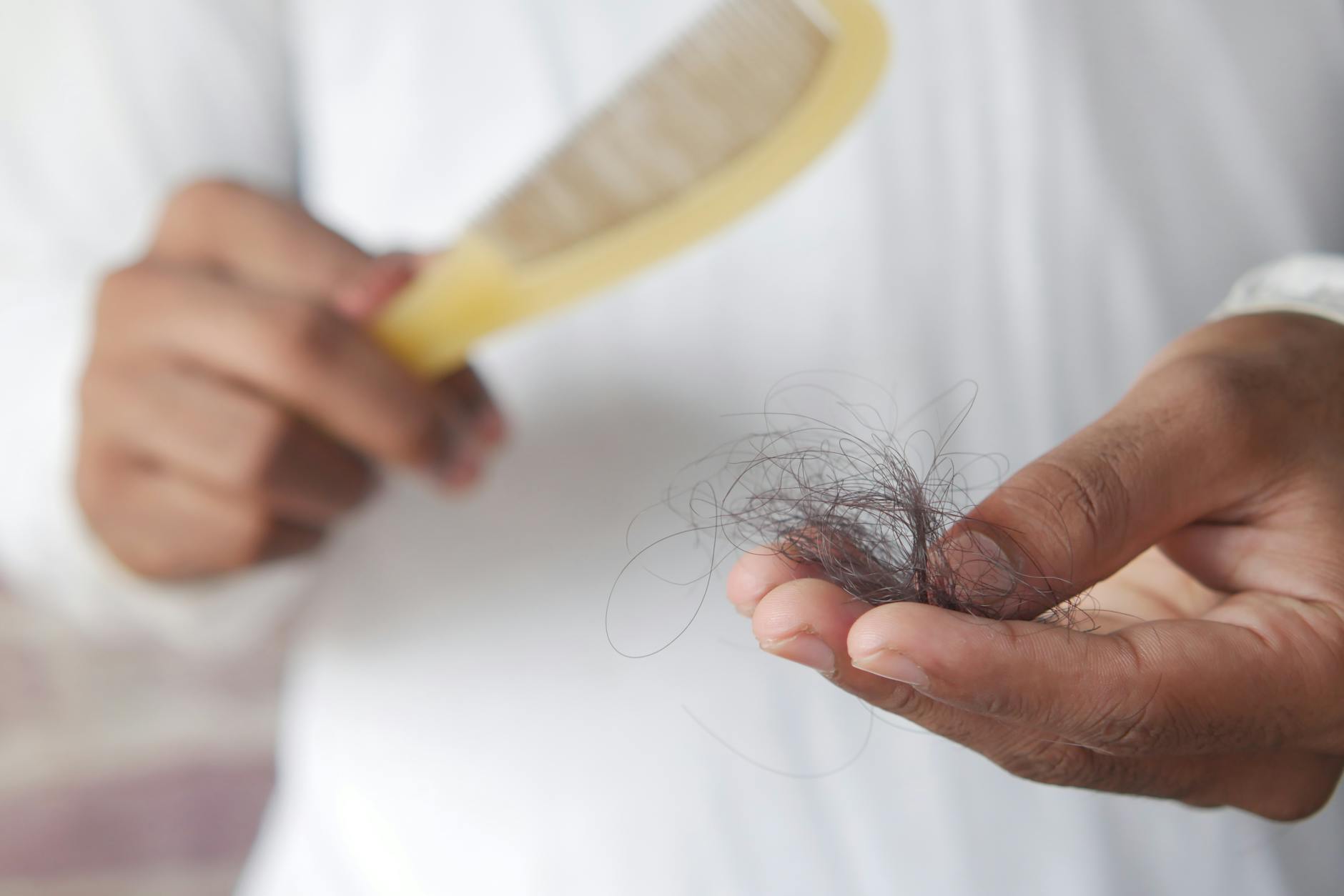
Quick answer: Seborrheic dermatitis is not typically described as a direct cause of permanent hair loss. The extra shedding you notice during a flare, in the shower or on your pillow, is usually tied to scratching and inflammation rather than the hair follicle itself being destroyed. That distinction matters: inflammation is something you can calm, and as a flare resolves, the shedding that came with it typically slows down too.

Why Hair Sheds During a Flare
Seborrheic dermatitis is a reaction to Malassezia, a yeast that lives on everyone's skin and feeds on natural oils. It is worth saying plainly: hair loss is not listed as a defined symptom of seborrheic dermatitis in the core medical literature on the condition. That is a useful, honest starting point, since it means the shedding people notice is a secondary effect, not a core feature of the disease itself.
Cleveland Clinic lists "hair shedding from scratching in affected areas" as a symptom, specifically noting it is not the same as permanent hair loss. The National Eczema Association puts it similarly: hair loss is not a direct symptom of seborrheic dermatitis, but scratching in mild cases and scalp inflammation in more severe cases can both contribute to noticeable shedding. In other words, two things are doing the work here, physical irritation from scratching an itchy scalp, and inflammation itself affecting the hair growth cycle, neither of which is the yeast attacking the follicle directly.
Why the "3 to 6 Months to Regrow" Number You Might Find Isn't From Medical Literature
If you search around this topic, you will likely run into specific regrowth timelines, often somewhere in the 3 to 6 month range. Worth knowing where those numbers actually come from: we checked the major dermatology references directly (the American Academy of Dermatology, Mayo Clinic, DermNet NZ, StatPearls, Cleveland Clinic, and the National Eczema Association), and none of them publish a specific regrowth timeline for seborrheic-dermatitis-related shedding. The specific numbers circulating online mostly trace back to hair-transplant and cosmetic clinic marketing content, not peer-reviewed or institutional dermatology sources.
That does not mean nothing can be said. Cleveland Clinic describes seborrheic dermatitis as a lifelong, relapsing-remitting condition that is managed rather than cured, with flares that settle when treated consistently. The honest, hedged version is this: as a flare is brought under control, the irritation driving the shedding eases, and hair generally follows suit. No credible dermatology source publishes an exact week-by-week timeline for this, and it is worth being skeptical of anyone who does.
It helps to know roughly what a flare's own timeline tends to look like, since hair shedding follows it rather than the other way around. Mild flares that are treated promptly with a consistent antifungal routine often calm down within a few weeks. More stubborn or long-running flares, especially ones that went untreated for months before a real routine started, understandably take longer to settle, and the shedding tied to them eases on that same slower schedule. Neither timeline is a guarantee, but it is a more honest way to think about "how long" than borrowing a number from an industry that is selling something else entirely.
Should You Cut Your Hair Short?
This comes up a lot, understandably, since a shorter cut can feel like it makes a flaky, itchy scalp easier to manage day to day. To be clear: cutting your hair does not treat seborrheic dermatitis, and it is not a step in any recommended routine. It is purely a personal, cosmetic choice. Some people find a shorter length makes it easier to apply a medicated shampoo evenly, see their scalp clearly, or simply feel less self-conscious about visible flakes in longer hair. Others prefer to keep their length and manage the condition alongside it. Neither choice changes the underlying treatment, so this is really about what feels more manageable for you day to day, not about what heals faster.
What Actually Helps
Since the shedding is downstream of the flare itself, the most direct way to address it is treating the seborrheic dermatitis, not chasing generic hair-growth remedies aimed at a different problem. A gentle, consistent routine matters more than any single product: an antifungal shampoo (ketoconazole, zinc pyrithione, or selenium sulfide are the most established options), enough contact time for it to work rather than an immediate rinse, and a fragrance-free, non- comedogenic moisturizer that does not add fuel to the reaction. Our full guide to understanding seborrheic dermatitis covers the mechanism and routine basics in more depth, and if flares tend to flare specifically on your scalp, our guide to seborrheic dermatitis on the scalp goes further into scalp-specific care.
The longer an itchy, inflamed scalp goes untreated, the more scratching tends to accumulate, which is part of why addressing a flare early, rather than waiting to see if it resolves on its own, tends to serve people better than waiting it out.
It is worth being deliberate about what you add to the routine, too. Heavy, oleic-acid-rich oils marketed for "nourishing" a dry or flaky scalp, like coconut, olive, or argan oil, sit close to the fatty-acid range Malassezia uses best, which can work against a flare rather than help it. Lighter, Malassezia-safe options like C8/C10 MCT oil or squalane are a better fit for flake-prone skin. Our guide to oils for seborrheic dermatitis covers the full breakdown if you want to check a specific product before adding it to your routine.
When to See a Dermatologist
Most shedding tied to a seborrheic dermatitis flare improves as the flare is brought under control with a consistent routine. It is worth seeing a dermatologist if shedding continues even after your scalp looks and feels calm, if you notice bald patches rather than general thinning, if the scalp is unusually painful, swollen, or shows pus-filled bumps beyond ordinary flaking, or if a few weeks of consistent care has not made a real difference. None of that is something to self-diagnose your way through. A dermatologist can look at the actual skin and figure out what is going on, rather than guessing from a description online. See our full guide to when to see a dermatologist for the complete list of signs.
None of this needs to feel like a race against the clock. Seborrheic dermatitis is a relapsing, long-term condition for most people, which means the goal is a routine you can actually keep up, not a single perfect fix. A gentle, consistent approach that you stick with for weeks tends to outperform an aggressive one you abandon after a few days, both for the flare itself and for the shedding that comes with it.

Where Octaskin Fits
Octaskin Serum is built around the same mechanism this article covers: calming the reaction that drives a flare, rather than chasing hair-growth remedies aimed at a different problem. It pairs 2% salicylic acid to loosen buildup with C8/C10 MCT oil, a Malassezia-safe emollient the yeast cannot use as fuel, plus tea tree, oregano, and wild mint for antimicrobial support. It is fragrance-free and steroid-free, designed to manage flaking and redness with consistent use. Like every treatment for this condition, it manages the flare; it does not cure it. See the full formula on the Octaskin Serum product page.
Frequently Asked Questions
Will my hair grow back after a seborrheic dermatitis flare?
In most cases, yes. Because the shedding is generally tied to inflammation and scratching rather than permanent follicle damage, hair typically regrows as the underlying flare is brought under control. There is no verified medical timeline for exactly how long that takes.
How long does regrowth actually take?
No tier-one dermatology source publishes a specific timeline for this. Be skeptical of exact week-by-week numbers online, since the ones in wide circulation trace back to hair-transplant clinic marketing rather than medical literature. The honest answer is that shedding tends to ease as the flare itself calms down, at whatever pace your particular routine and skin allow.
Is scratching alone enough to cause shedding, or does the yeast play a role too?
Both. Scratching an itchy, flaking scalp causes direct physical irritation, while the inflammation from the underlying reaction to Malassezia can affect the hair growth cycle on its own. Treating the flare addresses both at once.
Should I wash my hair less to protect it?
Not necessarily. Under-washing can let oil and scale build up, which does not help a seborrheic dermatitis flare. The more useful question is what you are washing with. A gentle, fragrance-free routine with an antifungal shampoo used as directed is generally more protective than simply washing less often.
Can seborrheic dermatitis treatment itself cause more shedding?
Some antifungal or medicated shampoos can be drying or irritating if used too aggressively, which could add to shedding rather than help it. This is part of why a gentle, fragrance-free routine and reasonable contact time (not scrubbing harder or leaving actives on longer than directed) matters as much as which product you choose.
Can untreated seborrheic dermatitis lead to more serious hair loss?
Seborrheic dermatitis itself is not typically described as a cause of permanent hair loss, but leaving a flare unmanaged for a long time means more scratching and irritation accumulate, which is part of why treating flares as they start tends to work out better than waiting. If shedding continues or worsens despite a consistent routine, that is a reason to see a dermatologist rather than assume it will resolve on its own.
Read more

Eyelid skin is thin and sits right next to the eye itself. Here is what is actually safe to do about flaking and irritation there, and when it is time to see an eye doctor instead.

Sulfur soap keeps coming up in seb derm communities as something that actually works. Here is what the mechanism, the evidence, and the real downsides actually look like.