
Is Coconut Oil Bad for Seborrheic Dermatitis? An Honest Look at the Lauric Acid Question
Is Coconut Oil Bad for Seborrheic Dermatitis? An Honest Look at the Lauric Acid Question
The Short Answer
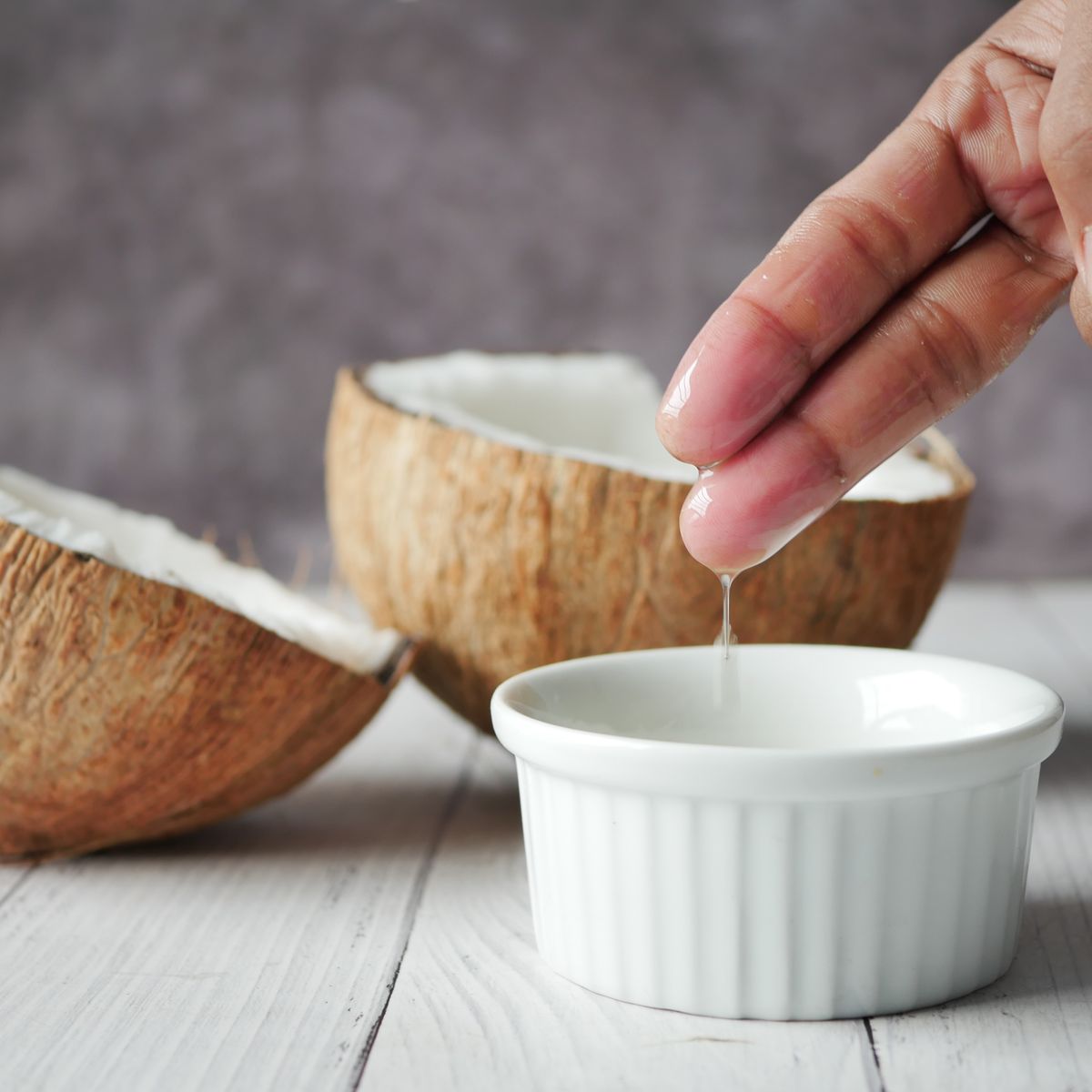
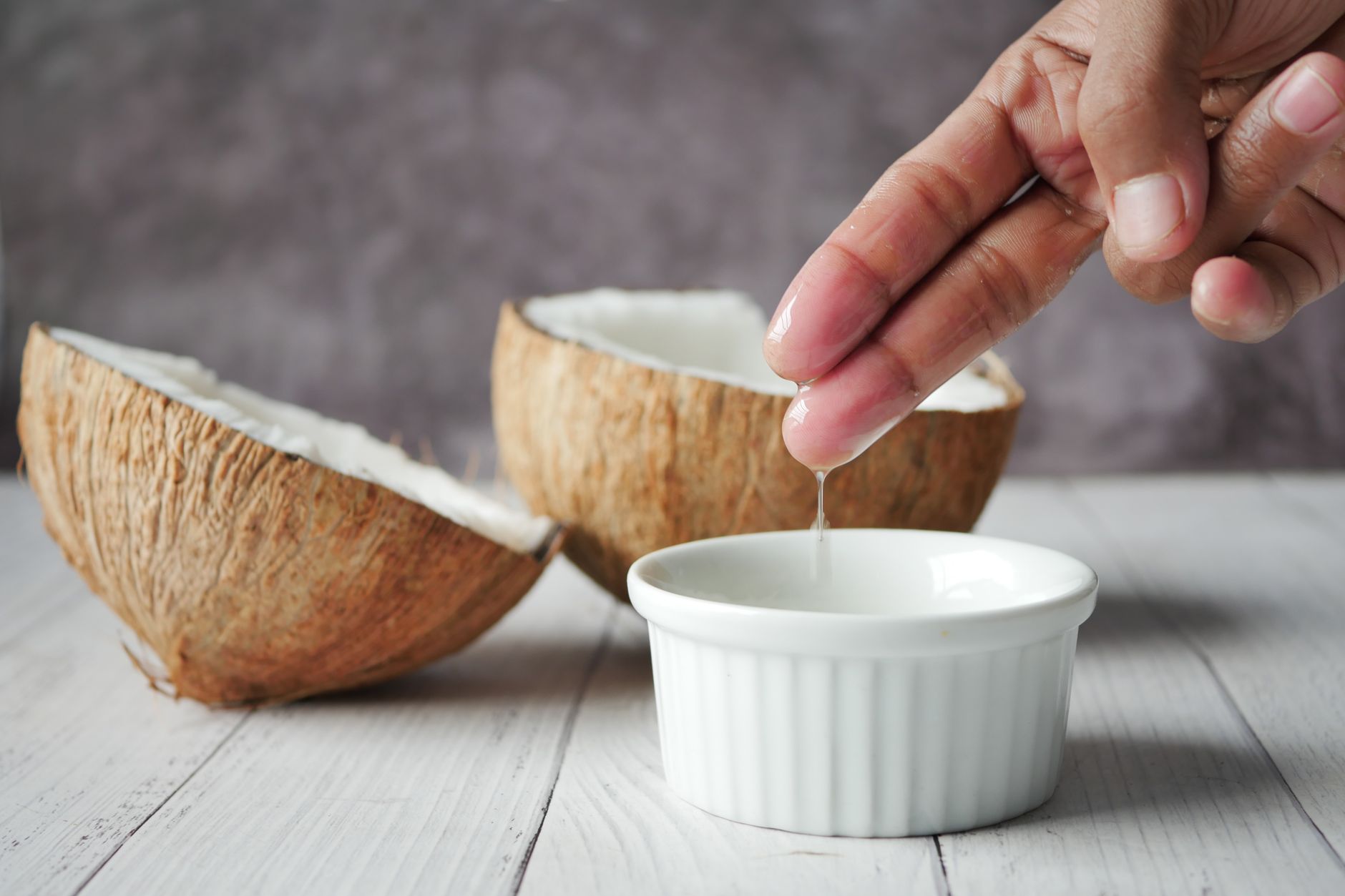
For most people with seborrheic dermatitis, coconut oil is a poor choice for the skin, and it can make a flare worse. The reason sits in its chemistry. Coconut oil is roughly half lauric acid, a medium-to-long-chain fatty acid, and seborrheic dermatitis is tied to Malassezia, a yeast that lives on your skin and feeds on fatty acids. Putting a fatty-acid-rich oil on Malassezia-prone skin is, in principle, feeding the thing your skin is already overreacting to.
That said, honesty matters more than a scary headline. Coconut oil is not universally harmful, and lauric acid is valued for antimicrobial support in other contexts. Tolerance is individual, and a few people use it without obvious trouble. The point is narrower and more useful: coconut oil is a poor pick for Malassezia-prone skin specifically. If your skin flares, it belongs low on your list. This fits the wider picture of which oils are worth trying for seborrheic dermatitis and which are not.
Why Coconut Oil Is Different: The Lauric Acid Story
Start with the yeast, because that is what actually decides this. Malassezia is a lipophilic organism that lacks the genes for making its own fatty acids, so it cannot build the fats it needs from scratch. Instead it secretes lipases that break down the oils on your skin into free fatty acids it can use. Some of those liberated fatty acids also irritate susceptible skin, which is a large part of why seborrheic dermatitis produces redness, itch, and flaking in the first place. So the fuel supply is not a side issue. It is central to how Malassezia contributes to seborrheic dermatitis.
Now look at what coconut oil is made of. Analyses of coconut oil put lauric acid at roughly 45 to 50 percent of its fatty acids, with myristic acid and other saturated fats making up much of the rest. That lauric-acid-heavy profile is exactly what makes coconut oil a concern here. It is a rich source of the kind of fatty acids Malassezia lipases can act on, applied directly to skin where the yeast is already active.
A fair caveat: the science on which specific fatty acids Malassezia grows on best is more precise than the old "avoid everything from C11 to C24" rule of thumb suggests. A 2025 study that fed Malassezia single, purified fatty acids found the strongest growth on palmitic acid (C16) and oleic acid (C18:1), while lauric acid (C12) supported only limited growth. So coconut oil is not the single worst offender in a lab dish. The practical takeaway does not change much, though. Coconut oil is still a lipid-dense oil sitting in the metabolizable range, so on Malassezia-prone skin it is a gamble with little upside.
Anecdotal, not proven: In seborrheic dermatitis communities such as r/SebDerm, people very commonly report that coconut oil made their flaking and redness worse, sometimes within days of using it on the scalp or face. Community reports are not evidence of cause and effect, and some users disagree, but the pattern is consistent enough that it is worth taking seriously as a reason to patch test rather than slather.
So Is It Ever OK?
Sometimes, for some people, yes. This is where the honest nuance matters. Seborrheic dermatitis is not identical from one person to the next. The condition is driven partly by how strongly your immune system reacts to the yeast and the fatty acids it releases, not by yeast count alone, so two people with similar skin can respond to the same oil very differently. A handful of people apply coconut oil and notice nothing bad, or even find it soothing on dry patches at the edges of a flare.
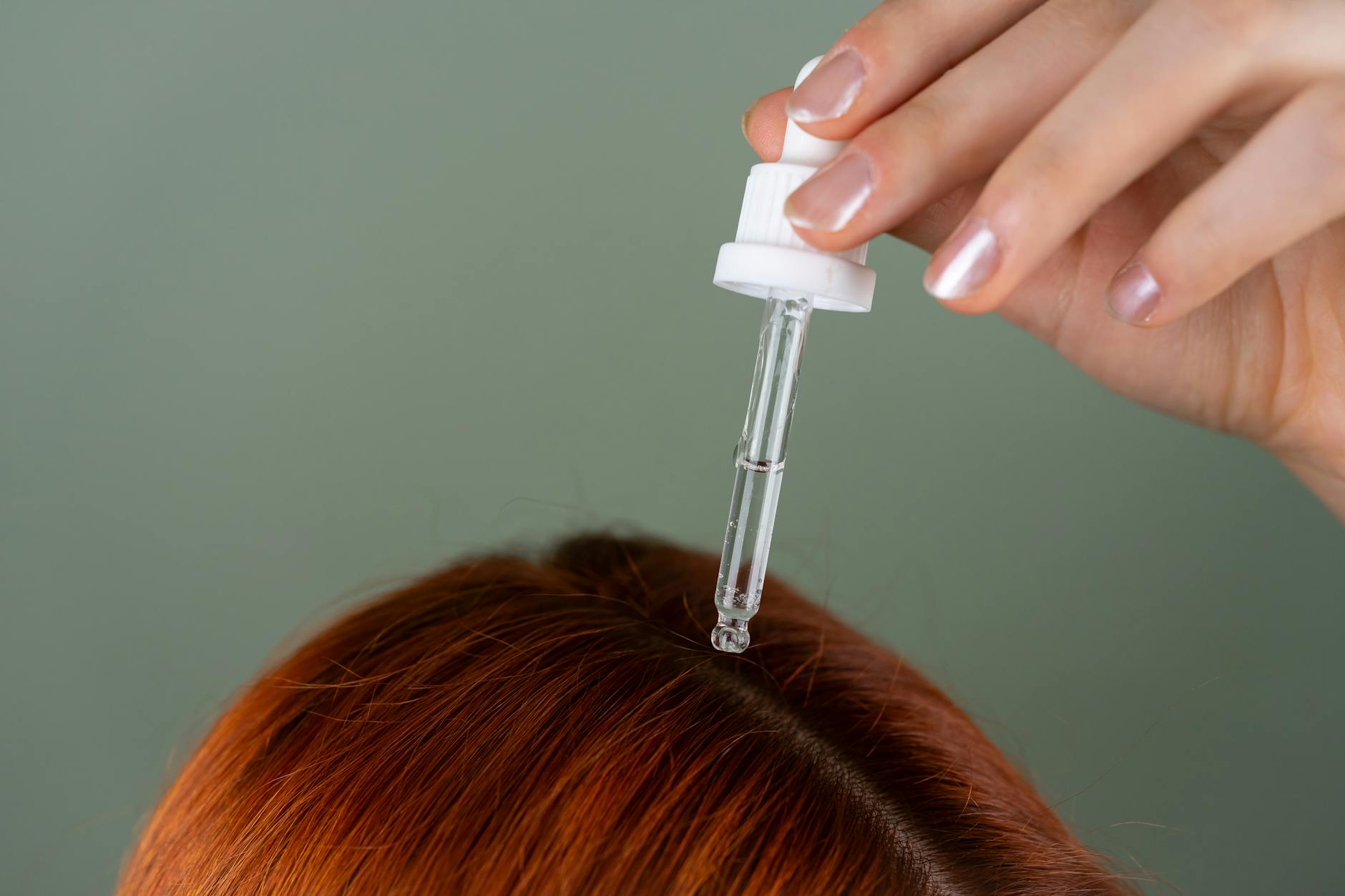
The problem is that coconut oil is a bad bet in a category where better bets exist. If you want to try it anyway, treat it as a small, reversible experiment. Patch test on a small area away from your usual flare zones, wait several days, and watch for increased redness, itch, or flaking. Introduce only one new product at a time so you can actually tell what caused what. And if your skin is currently flaring, this is not the moment to add a heavy oil at all. A minimal, gentle routine calms things faster than a stack of experiments.
Better Oils for Malassezia-Prone Skin
The good news is that "moisturizing oil" and "feeds the yeast" are not the same thing. Chain length is the deciding factor. Malassezia grows on fatty acids in a certain range, but it does not use very short-chain fats well, and in that 2025 single-fatty-acid work, lauric and myristic acids supported little growth while C16 and C18 fats did. That is the loophole that makes some emollients genuinely lower risk.
Two stand out. The first is fractionated or MCT oil made of caprylic (C8) and capric (C10) fatty acids. This is coconut oil with the lauric-acid fraction stripped out, which is precisely the part you want gone. It hydrates without offering the yeast an easy meal, and it is the swap most worth knowing about. If coconut oil tempts you, read the case for MCT oil as the Malassezia-safe alternative instead. The second is squalane, a very stable emollient whose long, non-fatty-acid backbone the yeast cannot metabolize, which makes it a comfortable everyday moisturizer for reactive skin.
Plant oils are more of a mixed bag. Jojoba, for instance, is chemically a wax ester rather than a typical oil, which puts it in a genuinely uncertain rather than clearly-unsafe spot. If you are weighing it, the honest verdict on jojoba oil for seborrheic dermatitis is worth a look before you commit. When in doubt, default to MCT or squalane, because they carry the least risk.
Where Octaskin Serum Fits
Once you understand the fatty-acid logic, you can see why we built Octaskin Serum the way we did. The formula pairs salicylic acid at 2 percent, a keratolytic that helps loosen and clear the scale that seborrheic dermatitis leaves behind, with C8/C10 MCT (caprylic/capric triglycerides). That MCT is the deliberate choice here. It is a Malassezia-safe emollient the yeast cannot use as fuel, unlike the lauric acid in coconut oil, so it hydrates without stoking the flare. Alongside those, the serum includes tea tree, oregano, and wild mint oils, botanicals valued for antimicrobial support, and octyldodecanol, another non-feeding emollient that keeps the texture light.
It is fragrance-free, dye-free, non-comedogenic, and contains no steroids, which fits the "less is more" approach that tends to work best for reactive skin. With consistent use it is designed to manage flaking, redness, and itch. It does not cure seborrheic dermatitis, because nothing does. This is a chronic, relapsing condition that is controllable but not curable, and symptoms tend to return if you stop caring for the skin. You can read the full formula on the Octaskin Serum product page, and if you are still building your foundations, our guide to understanding seborrheic dermatitis is the place to start.

Frequently Asked Questions
Does coconut oil feed Malassezia?
It can. Coconut oil is roughly half lauric acid, and Malassezia is a lipophilic yeast that relies on fatty acids from its environment because it cannot make its own. Applying a fatty-acid-rich oil to Malassezia-prone skin gives the yeast raw material, which is why coconut oil is a poor fit for seborrheic dermatitis even though it is fine for many other uses.
Can coconut oil make seborrheic dermatitis worse?
For many people, yes. Because seborrheic dermatitis is linked to overgrowth of Malassezia yeast, adding a lipid-dense oil can coincide with more redness, itch, and flaking. Tolerance varies, so a small patch test over several days is smarter than applying it broadly.
Is MCT oil better than coconut oil for seborrheic dermatitis?
Generally yes for Malassezia-prone skin. MCT oil is made of C8 and C10 fatty acids, the short-chain fats that supported little Malassezia growth in single-fatty-acid feeding studies. It is essentially coconut oil with the risky lauric fraction removed, so it moisturizes without feeding the yeast.
What oils are safe for Malassezia-prone skin?
MCT oil (caprylic/capric) and squalane are the two most reliable choices, since the yeast does not readily use their fatty-acid profiles. Many common plant oils, including coconut, are richer in the fatty acids Malassezia can metabolize, so they carry more risk. When unsure, default to MCT or squalane and patch test.
Does seborrheic dermatitis go away for good?
No. Seborrheic dermatitis is a chronic, relapsing condition that is very controllable but not curable. First-line care usually centers on antifungals such as ketoconazole, zinc pyrithione, or ciclopirox, and ongoing gentle maintenance keeps flares in check rather than ending them permanently.
Related reading: Understanding Seborrheic Dermatitis · Does Apple Cider Vinegar Help Seborrheic Dermatitis? · Is Squalane Good and Safe for Seborrheic Dermatitis? · Seborrheic Dermatitis in the Ears: Why It Happens and How to Care for It
Read more

Seborrheic dermatitis in ears causes flaky, itchy skin behind and around them. Learn the Malassezia cause, how to tell it from an infection, and how to treat it.
Does apple cider vinegar help seborrheic dermatitis? An honest look at the low-pH theory, the negative soak study, burn risk, and what has real evidence.