

Seborrheic Dermatitis in the Ears: Why It Happens and How to Care for It
Updated November 2026
Dry, flaky, or cracked skin behind the ears is very often seborrheic dermatitis, because the fold where the ear meets the head is oily and is one of the condition's classic sites. DermNet notes that seborrheic dermatitis, atopic dermatitis, and scalp psoriasis frequently affect the skin fold behind the ear, so it is worth checking which one you have. For seborrheic dermatitis, a gentle antifungal wash and a light moisturizer on the outer ear and behind it usually help, and nothing should go into the ear canal.
Why seborrheic dermatitis shows up in your ears
Seborrheic dermatitis is an inflammatory skin reaction that settles where oil glands cluster, which is why the scalp, the sides of the nose, the eyebrows, and the ears are all common sites. The AAD notes that seborrheic dermatitis can appear on the ears, and MedlinePlus lists behind the ears and the outer ear among its usual places.
The driver is a yeast called Malassezia that lives on everyone's skin and depends on skin oil. As it feeds, Malassezia breaks sebum down into fatty acids, and in people whose skin reacts to those byproducts, the result is redness and flaking. As StatPearls (NCBI) explains, your skin's reaction matters more than the amount of yeast. It is not poor hygiene and it is not simple dryness. Our guide to understanding seborrheic dermatitis covers the basics.
On the ear it usually shows up in three places:
- Behind the ear, in the fold where the ear meets the side of the head. This crease traps oil and moisture and is where most people first notice it.
- The outer ear, especially the concha, the bowl-shaped hollow next to the opening, which collects scale.
- The opening of the ear canal, where flaking can creep just inside the entrance.

New to seb derm? Get our free Calm-Skin Guide: which oils feed the yeast behind it, what to use instead, and a simple routine. Take the 60-second flare quiz and we'll email it to you.
Get the free guide →Dry skin behind ears: seborrheic dermatitis, eczema, or something else?
Several conditions like the skin behind the ears, and they need different care. This quick guide draws on DermNet's overview of ear skin problems.
- Seborrheic dermatitis: white flaking or yellowish, oily scale with mild redness, often with flaking on the scalp, brows, or sides of the nose at the same time.
- Atopic eczema: usually intensely itchy and part of wider skin involvement that includes the face and neck, often with a history of eczema elsewhere.
- Psoriasis: more likely if you also have psoriasis on your scalp or body. DermNet lists scalp psoriasis among the conditions that affect the fold behind the ear.
- Contact allergy: DermNet lists contact allergic dermatitis to nickel among ear skin problems, so new earrings, frames, or hair products that touch the area are worth considering.
- Plain dry skin: dry, scaly, itchy skin, often in cold, dry weather, that improves quickly with a simple moisturizer.
If the patch is intensely itchy and you have eczema elsewhere, our comparison of seborrheic dermatitis vs eczema will help. If you are not sure, a dermatologist can usually tell them apart at a glance.
Dry, cracked skin behind the ear
Dry skin can form fine cracks, and an inflamed, scaly crease behind the ear can split in the same way. Keep the crease clean, dry after washing, and moisturized while the inflammation calms. MedlinePlus advises contacting a provider if patches drain fluid or pus, form crusts, or become very red or painful, so a crack that weeps, bleeds repeatedly, or hurts deserves a professional look.
Ear dandruff and flaky skin in the ear
"Ear dandruff" is the everyday name for seborrheic dermatitis flakes on the outer ear and around the canal opening. MedlinePlus notes the condition can affect the outer ear and even inside the ear. Treat the flakes you can see on the outer ear. Flaking deeper in the canal is a job for a clinician, not a cotton swab.
Seborrheic dermatitis or an ear infection? How to tell
This part is worth slowing down for, because the two can feel similar at first and the right response is different.
Seborrheic dermatitis usually itches and flakes more than it hurts. An infection of the canal, called otitis externa, behaves differently. The telltale sign is ear pain that worsens when you tug the ear, often with discharge, swelling, or a muffled feeling in your hearing. A doctor should look at any pain, drainage, swelling, or muffled hearing, and because a fever can mean the infection is spreading, that is a reason to be seen promptly.
The two are not always separate. Seborrheic dermatitis can inflame the ear canal, producing an eczema-like irritation at the opening, and the external ear canal is an affected site. That is exactly why painful, weeping, or hearing-affecting symptoms need a professional eye rather than guesswork.
Anecdotal, not proven: On community forums like r/SebDerm, people often describe stubborn crusting just inside the ear opening that keeps returning no matter how carefully they manage the rest of their skin. Their experiences are not a substitute for an exam, and persistent crusting inside the opening is a good reason to have a clinician confirm what you are dealing with.
The one rule for your ear canal: do not dig
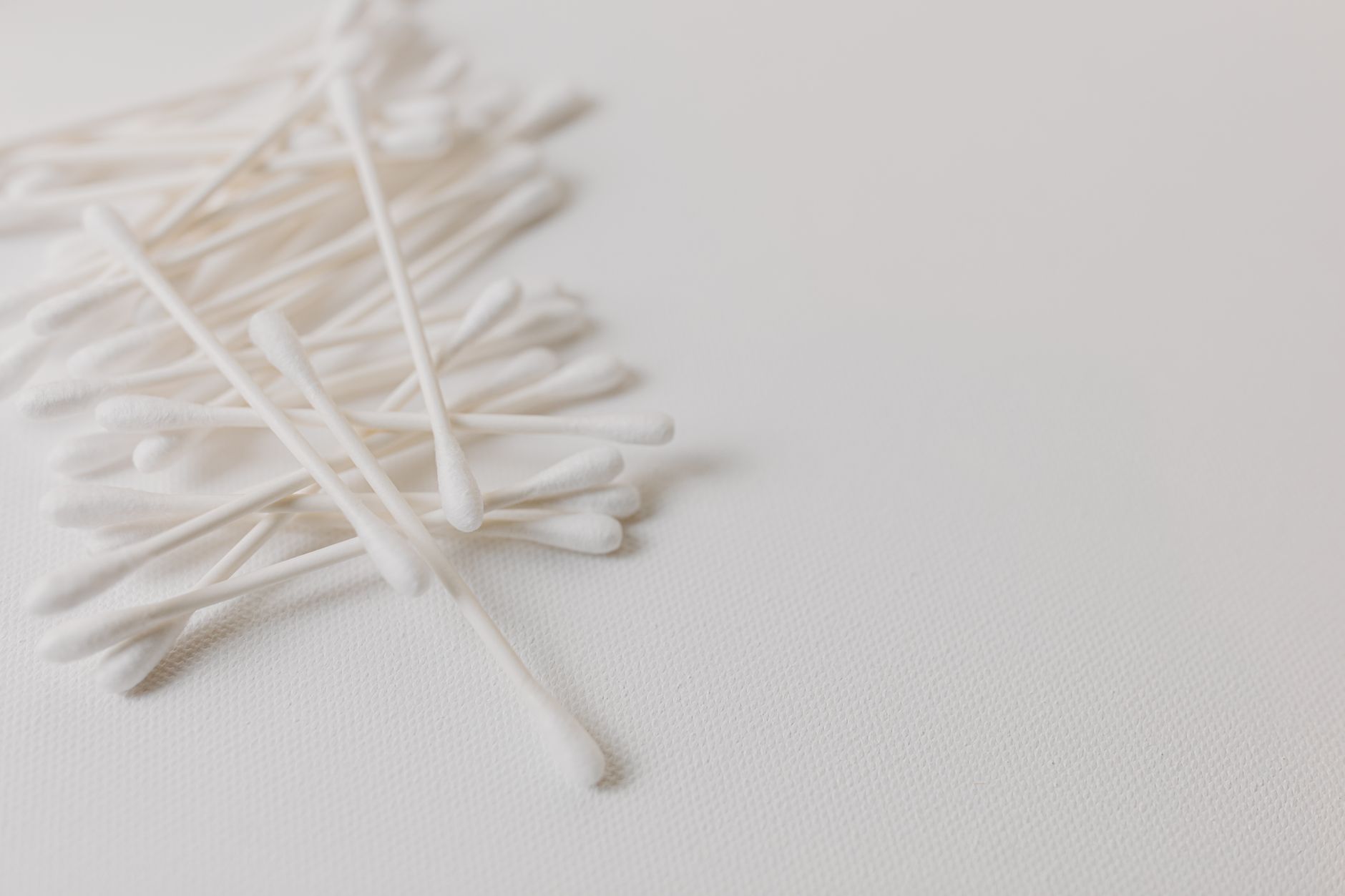
It is tempting to clean out flakes with a cotton swab, but the most useful habit for your ears is to leave the canal alone. Ears are self-cleaning, and DermNet's advice is direct: avoid inserting foreign objects such as cotton buds into the ear canal, and avoid poking or scratching the canal skin.
Scraping breaks the skin barrier, and broken skin is an open door for the infection you were trying to avoid. The canal is also narrow and you cannot see what you are doing. So treat only what you can see and reach, the outer ear and the skin behind it, and never put shampoo, serum, oils, or drops into the canal unless a clinician has prescribed them for it.
How to treat seborrheic dermatitis behind the ear and on the outer ear
The same approach that calms seborrheic dermatitis elsewhere works here, as long as you keep it to the outer ear and behind it.
- Wash with an antifungal. First-line topical antifungals include ketoconazole, ciclopirox, and zinc pyrithione, and over-the-counter washes with ketoconazole, selenium sulfide, or zinc are easy to find. In the shower, lather a little on your fingertips, work it into the skin behind the ear and the outer ear, leave it a few minutes, then rinse well with your head tilted so nothing runs into the canal.
- Loosen scale gently. A keratolytic such as salicylic acid lifts and removes scale, which eases crusting and helps other ingredients reach the skin. Do not pick or scrape.
- Moisturize with something the yeast does not grow well on. A 2025 lab study in FEMS Yeast Research found Malassezia grew best on palmitic (C16) and oleic (C18:1) fatty acids, so heavy plant oils like olive are a poor pick here. Squalane or purified C8/C10 MCT is the safer route; our MCT oil guide explains why, and our guide to oils for seborrheic dermatitis covers the rest.
- Keep the rest gentle. Fragrance-free, dye-free products and no harsh scrubbing. If your scalp flakes too, treat it at the same time; see our scalp guide.
If over-the-counter care is not enough, a dermatologist has more options; the AAD notes that roflumilast foam can be applied to seborrheic dermatitis on the ears, eyebrows, and scalp.
One honest expectation: this is a relapsing and remitting condition. Cleveland Clinic describes it as something treatment can manage rather than end. Symptoms tend to settle with consistent care and return if you stop, so think in terms of light maintenance, such as keeping an antifungal wash in your weekly routine.
Where Octaskin Serum fits
Once a flare around the ears is calming, some people want a single leave-on step that targets the scale and hydrates without making things worse. Octaskin Serum is built as that "target and hydrate" step for the outer ear and the skin behind the ears. It is not for inside the ear canal, and nothing is.
It pairs salicylic acid at 2%, a keratolytic that helps lift scale, with C8/C10 MCT (caprylic/capric triglycerides), which avoids the palmitic- and oleic-rich oils the yeast grew best on in the lab work above. It also contains tea tree, oregano, and wild mint oils and octyldodecanol, a lightweight emollient. It is perfume-free, dye-free, non-comedogenic, and contains no steroids.
Used regularly on the outer ear and behind it, it can help manage flaking, itch, and redness. It does not cure seborrheic dermatitis. Our Octaskin Serum guide walks through how to use it, and the full product is at octaskin.com/products/octaskin-serum.

Octaskin Serum
★ 4.6 from 92 reviews · results vary
2% salicylic acid in a Malassezia-safe C8/C10 MCT base. Perfume-free and steroid-free, for scalp, face, beard and brows.
$49.99 · Free shipping, no minimum · Subscribe & save 15%
Shop the serumFrequently asked questions
Why is the skin behind my ears dry and flaky?
The most common cause is seborrheic dermatitis, because the fold behind the ear is oily and suits the Malassezia yeast behind it. Atopic eczema and scalp psoriasis also often affect that fold, and plain dry skin can flake there in cold weather.
What does seborrheic dermatitis behind the ear look like?
Pink or red skin in the crease with white flakes or yellowish, greasy scale, sometimes with small cracks. It often appears on both sides and alongside flaking on the scalp or eyebrows.
How do I treat dry, cracked skin behind my ear?
Wash the area with a gentle antifungal, such as a ketoconazole or zinc pyrithione shampoo, leave it a few minutes, rinse well, and moisturize with a Malassezia-safe product. See a doctor if cracks weep, crust, bleed repeatedly, or hurt.
What is ear dandruff?
Ear dandruff is the everyday name for seborrheic dermatitis flakes on the outer ear and around the ear canal opening. Treat the outer ear only and leave the canal to a clinician.
Can seborrheic dermatitis affect the inside of your ear?
It can. The external ear canal is an affected site, and the condition can inflame the ear canal in an eczema-like way. Only treat the outer ear and the skin behind it yourself, and have a clinician assess anything in the canal.
Is it seborrheic dermatitis or an ear infection?
Itch with greasy or dry flaking and little pain points toward seborrheic dermatitis. Ear pain that worsens when you tug the ear, with discharge, swelling, or muffled hearing, points toward an infection. See a doctor for any of those, and promptly if you have a fever.
Is it safe to clean inside your ear canal with a cotton swab if it is flaky?
No. Ears are self-cleaning, and DermNet advises against inserting cotton buds into the ear canal. Swabs can break the skin and invite infection. Treat only the outer ear and behind it.
This article is educational and is not a substitute for medical advice.
Related reading: Understanding Seborrheic Dermatitis · Castor Oil for Seborrheic Dermatitis: What the Research Actually Shows · The Malassezia-Safe Framework: What the Science Shows · Seborrheic Dermatitis in Black Skin and Textured Hair
Read more
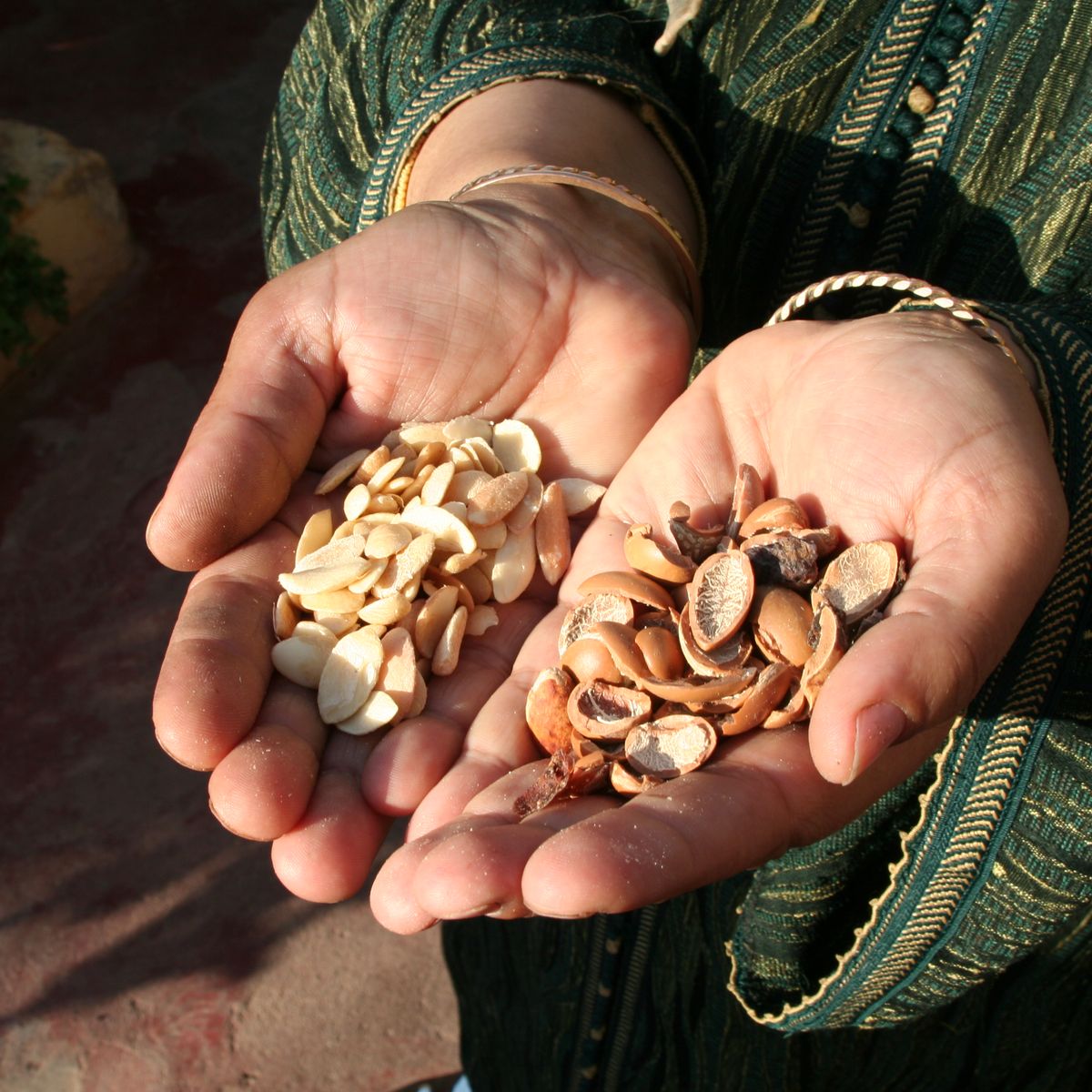
Does argan oil feed Malassezia? Its high oleic acid makes argan a risky pick for seborrheic dermatitis. Here is the science and safer oils to use instead.

Coconut oil is roughly half lauric acid, a fatty acid Malassezia may use, so it can worsen seborrheic dermatitis. Here is the honest, science-based verdict.