

Is Your Seborrheic Dermatitis Feeling the Weather?
Understanding the Triggers That Influence Your Skin
Seborrheic dermatitis can be unpredictable. One week your skin feels calm, and the next, you’re dealing with redness, flaking, and irritation. If you’ve noticed flare-ups in the winter or relief when summer arrives, you’re not alone. Environmental factors like sunlight, temperature, air quality, or even stress play a major role in how seborrheic dermatitis behaves[1].
At Octaskin, our mission is to help you cut through the confusion with science-backed insights. By understanding these triggers, you can take practical steps to reduce flare-ups and manage your condition with confidence.
Sunlight: Helpful and Harmful
Sunlight has a dual effect on seborrheic dermatitis. Moderate exposure can calm inflammation and reduce the activity of Malassezia yeast, the main driver of SD. Even 10–15 minutes a day may help reduce scaling and redness.
But too much sun can work against you. Overexposure dries the skin, weakens its barrier, and fuels irritation[2].
How to stay balanced:
-
Use a broad-spectrum, malassezia-safe sunscreen (SPF 30+)
-
Limit exposure to short intervals instead of long sessions
-
Keep skin hydrated with a lightweight, SD-safe moisturizer
-
Wear protective clothing if outdoors for extended periods
Stress: The Invisible Trigger
Stress is often overlooked, but it directly impacts flare-ups. Elevated cortisol levels fuel inflammation and make seborrheic dermatitis harder to control[3,4].
How to manage it:
-
Practice mindfulness or light exercise
-
Make time for daily breaks
-
Prioritize quality sleep
Small, consistent changes can reduce flare frequency and improve overall skin health.
Seasonal Shifts: Winter vs. Summer
Winter
Cold air and indoor heating strip away moisture, worsening dryness, redness, and flaking.
Tip: Use richer, malassezia-safe moisturizers and consider a humidifier to protect your skin barrier.
Summer
Higher humidity and moderate sun exposure can calm symptoms, but sweat and heat can cause irritation[5].
Tip: Stick to lightweight, non-greasy products and keep your skin clean and dry.
Other Environmental Factors
-
Air pollution: Pollutants clog pores, disrupt the skin barrier, and trigger inflammation[6]. Wash your skin promptly after exposure.
-
Humidity: Both high and low extremes can cause issues. In high humidity, limit excess moisture; in low humidity, double down on hydration. Avoid going to bed with damp hair, as it creates the perfect environment for yeast growth[7].
Finding Balance
Seborrheic dermatitis doesn’t have a cure, but it can be managed. The key is understanding your triggers and staying consistent with your routine. At Octaskin, our science-driven serum is designed to restore hydration, calm irritation, and target the root causes of seborrheic dermatitis.
Your skin’s environment will always change. With the right tools and knowledge, you can stay one step ahead.
Reference List:
1. Akbulut TO, Suslu H, Atci T. Is the Frequency of Seborrheic Dermatitis Related to Climate Parameters? Sisli Etfal Hastan Tip Bul. 2022 Mar 28;56(1):91-95. doi: 10.14744/SEMB.2021.67503. PMID: 35515978; PMCID: PMC9040311.
2. Sahidah, K. and Agustin, T. Correlation between Duration of Sun Exposure and Scalp Seborrheic Dermatitis Severity Score in the Dermatovenereology Clinic, Dr. Cipto Mangunkusumo General Hospital. DOI: 10.5220/0008152401320135 In Proceedings of the 23rd Regional Conference of Dermatology (RCD 2018), pages 132-135
3. Misery L, Touboul S, Vinçot C, Dutray S, Rolland-Jacob G, Consoli SG, Farcet Y, Feton-Danou N, Cardinaud F, Callot V, De La Chapelle C, Pomey-Rey D, Consoli SM; Pour le Groupe Psychodermatologie. Stress et dermatite séborrhéique [Stress and seborrheic dermatitis]. Ann Dermatol Venereol. 2007 Nov;134(11):833-7. French. doi: 10.1016/s0151-9638(07)92826-4. PMID: 18033062.
4. Sarac E, Kocatürk E. Relationship between disease severity, perceived stress, and depression in patients with seborrheic dermatitis. Marmara Med J. October 2022;35(3):362-366. doi:10.5472/marumj.1195298
5. Khodaei B, Seyedpour S, Gholami B, Garmarudi G, Nasimi M. Seasonal and gender variation in skin disease: A cross-sectional study of 3120 patients at Razi hospital. Int J Womens Dermatol. 2021 Oct 6;7(5Part B):799-802. doi: 10.1016/j.ijwd.2021.09.014. PMID: 35028385; PMCID: PMC8714557.
6. Peng Chen, Yiya Zhang, Tongtong Zhang, Ji Li, Minxue Shen, Rui Mao, Chengcheng Zhang, Association of air pollution with incidence of late-onset seborrhoeic dermatitis: a prospective cohort study in UK Biobank, Clinical and Experimental Dermatology, Volume 49, Issue 10, October 2024, Pages 1164–1170, https://doi.org/10.1093/ced/llae122
7. Leroy AK, Cortez de Almeida RF, Obadia DL, Frattini S, Melo DF. Scalp Seborrheic Dermatitis: What We Know So Far. Skin Appendage Disord. 2023 Jun;9(3):160-164. doi: 10.1159/000529854. Epub 2023 Apr 5. PMID: 37325288; PMCID: PMC10264915.
Related reading: Understanding Seborrheic Dermatitis · Does Apple Cider Vinegar Help Seborrheic Dermatitis? · Is Squalane Good and Safe for Seborrheic Dermatitis? · Is Coconut Oil Bad for Seborrheic Dermatitis? An Honest Look at the Lauric Acid Question
For a targeted step, the Octaskin Serum pairs 2% salicylic acid with Malassezia-safe C8/C10 oils to help manage flaking and redness.
Read more
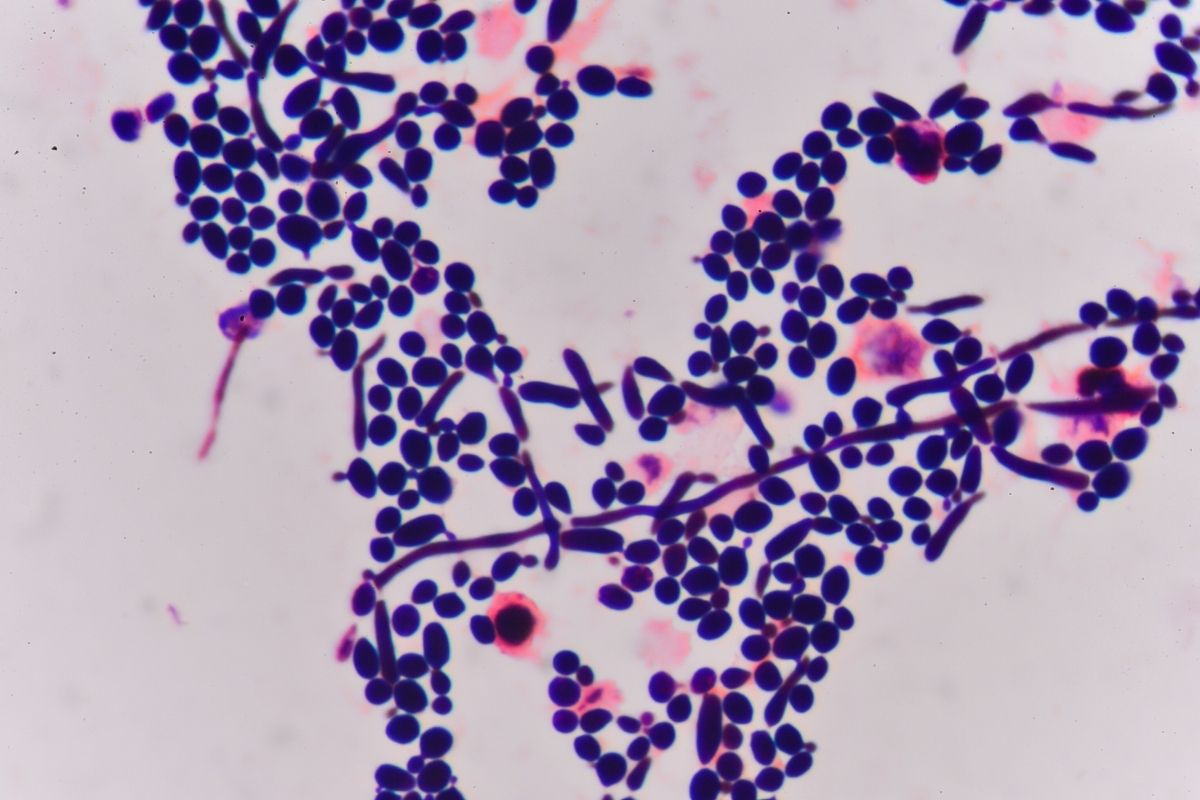
Discover the science behind seborrheic dermatitis. Learn how Malassezia, a common skin fungus, breaks down sebum to produce inflammatory byproducts that trigger the flaking, redness, and irritation...
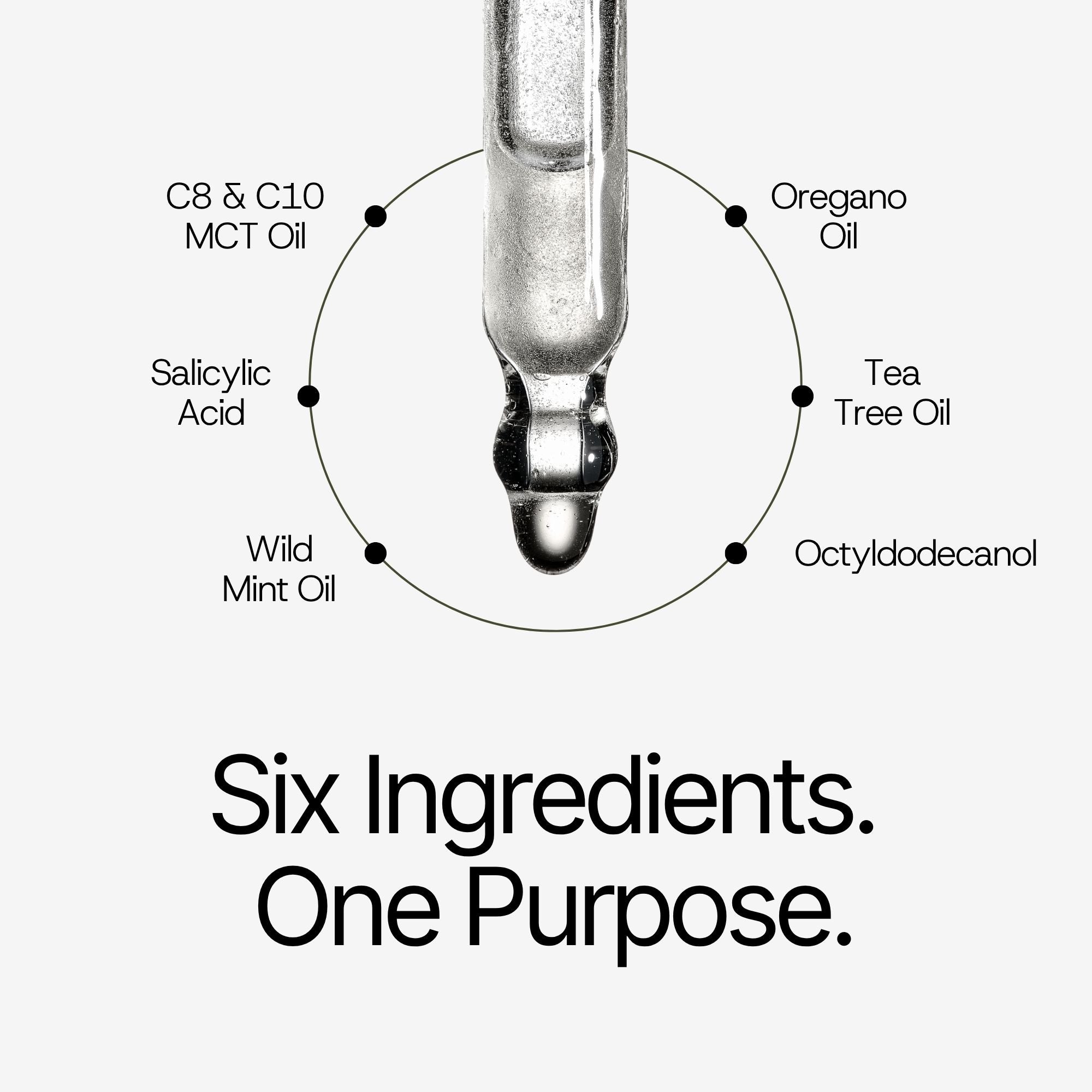
Ever wondered what makes Octaskin Serum so effective? Explore the science behind each ingredient; from exfoliating salicylic acid to antifungal MCT oil and botanical actives — all chosen to restore...