Seborrheic Dermatitis vs. Dandruff: Are They Actually the Same Thing?
If you've ever Googled "do I have dandruff or seborrheic dermatitis," you're not alone. The two terms get thrown around interchangeably, which creates a lot of confusion, especially when your usual dandruff shampoo stops working or your flaking starts showing up in places that aren't your scalp.
Here's the thing most people don't know: dandruff is seborrheic dermatitis. It's not a separate condition. Dandruff is just what we call seborrheic dermatitis when it shows up on the scalp. Same underlying cause, same yeast, same process. The difference is really about where it appears and how severe it gets.
What actually confuses people more often is mistaking plain dry skin for dandruff. Those are genuinely different things, and treating them the same way will get you nowhere.
What Causes Dandruff and Seborrheic Dermatitis
Seborrheic dermatitis comes down to a yeast called Malassezia, which lives on everyone's skin. Normally it's harmless. The problem starts when it overgrows in areas where there's a lot of sebum (skin oil), like the scalp, nose, eyebrows, and beard area. When that happens, Malassezia breaks down the sebum into irritating fatty acids, which triggers an inflammatory reaction. The skin starts shedding faster than normal, and that's where the flakes come from.
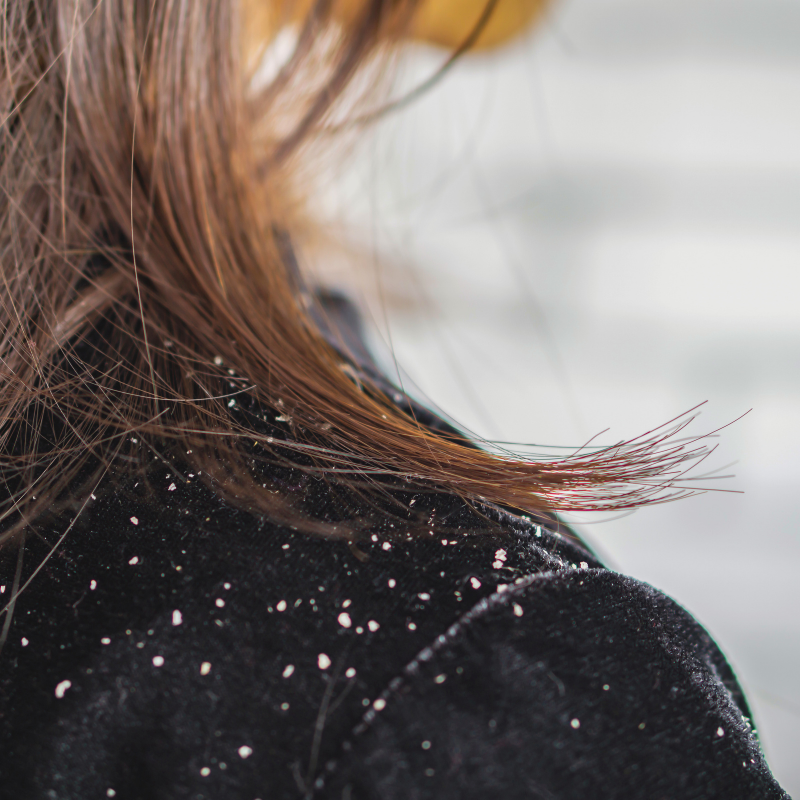
Dry skin flaking works completely differently. There's no yeast involved. It's just dehydrated skin that's lost moisture, often from cold weather, over-washing, or harsh skincare products. The flakes tend to be smaller and finer, the skin doesn't feel oily, and there's no redness or irritation underneath. Anti-dandruff shampoos do nothing for dry skin because they're targeting a fungal problem that isn't there.
Seborrheic Dermatitis vs. Dandruff vs. Dry Skin: What's the Difference?
Since dandruff is technically a form of seb derm, the distinction between them is really about severity and location. Dandruff tends to stay on the scalp and stays relatively mild: some flaking, maybe a bit of itch, but no major inflammation. Seborrheic dermatitis in the broader sense is the same condition behaving more aggressively, spreading to the face, showing up as redness and greasy-looking scales, and coming back repeatedly even after treatment.
The more useful comparison for most people is actually dry skin vs. seb derm, since those two get confused constantly and call for opposite approaches:
| Dry skin flaking | Dandruff / Seb derm | |
|---|---|---|
| Cause | Moisture loss | Malassezia overgrowth |
| Flake appearance | Fine, dry, white | Larger, often greasy or yellowish |
| Skin underneath | Tight, dull, no redness | Often oily, red, or irritated |
| Location | Anywhere on the body | Oily areas: scalp, face, beard, ears, chest |
| Itching | Mild, if any | Often moderate to intense |
| Gets worse with moisturizer? | No, usually improves | Can worsen with the wrong oils |
How to Tell If You Have Seborrheic Dermatitis or Dry Skin
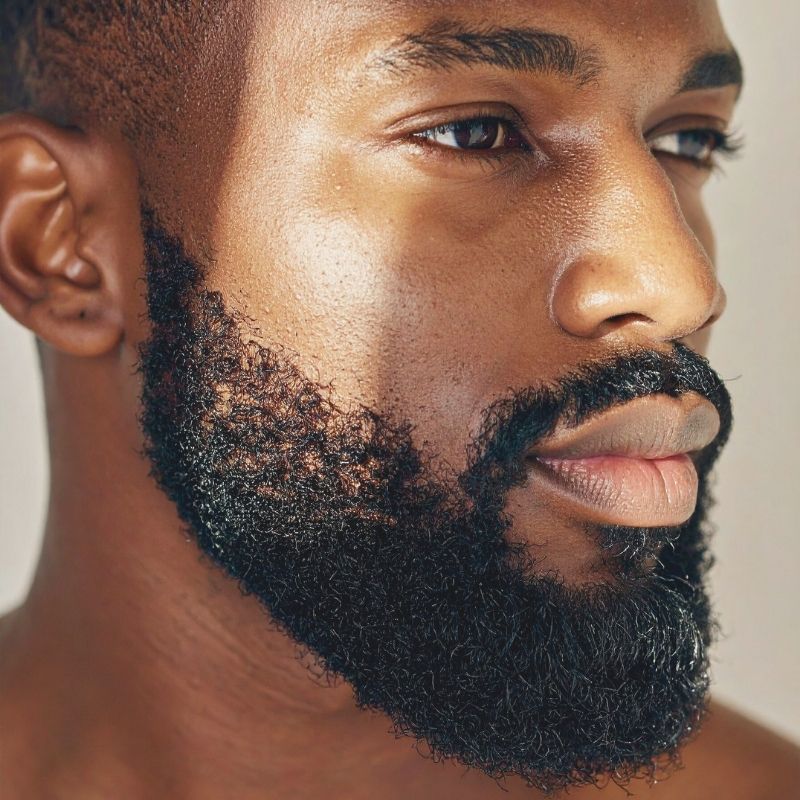
Location tells you a lot. Seb derm shows up specifically in areas where oil glands are most active: the scalp, the sides of the nose, the eyebrows, behind the ears, the beard, and sometimes the upper chest. If your flaking is in those spots and comes with any redness or irritation, it's almost certainly seb derm. If the flaking is on your cheeks, arms, or other areas that aren't particularly oily, dry skin is more likely.
Skin texture is another clue. With dry skin, the affected area feels tight and looks dull. With seb derm, the skin often looks oily despite the flaking, and the flakes themselves tend to be thicker and can have a yellowish tint. If you've noticed your nose or eyebrows flaking in a way that looks slightly greasy, that's seb derm.
And if the problem keeps coming back despite consistent treatment, that's a strong sign you're dealing with seb derm. Dry skin clears up once you address the moisture issue. Seborrheic dermatitis is a chronic condition in adults and will recur throughout your life, especially during winter, during periods of stress, or when your skincare routine changes.
How to Treat Dandruff and Seborrheic Dermatitis
Dry skin
Simple: hydration. Switch to a gentler cleanser, add a fragrance-free moisturizer, and cut back on how often you're washing the affected area. Avoid hot showers, which strip the skin's natural oils. Most people see improvement within a couple of weeks once they fix the root cause.
Dandruff (scalp seb derm)
Medicated shampoos are the standard starting point. Look for active ingredients like zinc pyrithione, selenium sulfide, ketoconazole, or salicylic acid. Leave the shampoo on for a few minutes before rinsing so the actives actually have time to work. It's worth rotating between products periodically since the scalp can become less responsive to any single ingredient over time.
Seborrheic dermatitis on the face and body
This is where shampoo alone won't cut it. The face, beard, ears, and scalp need something that targets Malassezia without feeding it, which rules out a lot of common moisturizers and oils that are high in the fatty acids the yeast thrives on. Salicylic acid helps clear the scale. Ingredients like MCT oil (caprylic/capric triglyceride) are antifungal-safe and won't make things worse.
The Octaskin Serum is formulated specifically for this: seborrheic dermatitis on the face, scalp, beard, and hair. It combines salicylic acid, antifungal-safe oils, and botanical actives to reduce flaking and redness without disrupting the skin barrier. See the full ingredient breakdown here.
The Bottom Line
Dandruff and seborrheic dermatitis aren't two different things competing for the same diagnosis. Dandruff is seb derm, just in its milder, scalp-only form. The more useful distinction to understand is the one between seb derm and dry skin, since those two get mixed up constantly and require opposite approaches to treat.
If your flaking is in the oily zones of your face or scalp, comes with any redness, and keeps coming back, you're dealing with seb derm. And treating it as a fungal and inflammatory condition, rather than a moisture problem, is what actually moves the needle.
Frequently Asked Questions
Is dandruff the same as seborrheic dermatitis?
Yes. Dandruff is seborrheic dermatitis on the scalp. The two terms describe the same underlying condition: an overgrowth of Malassezia yeast that triggers inflammation and accelerated skin shedding. "Dandruff" just refers to the milder, scalp-only version of the condition.
What's the difference between dandruff and dry scalp?
They look similar but have completely different causes. Dandruff is fungal — driven by Malassezia overgrowth on an oily scalp. Dry scalp is a moisture issue, usually from over-washing, cold weather, or harsh products. Dandruff flakes tend to be larger and greasier; dry scalp flakes are smaller, whiter, and the scalp itself feels tight rather than oily. Anti-dandruff shampoos won't help a dry scalp.
Can seborrheic dermatitis affect the face?
Yes, and this is one of the key differences from simple scalp dandruff. Seb derm commonly shows up on the sides of the nose, eyebrows, beard area, and behind the ears — anywhere sebaceous glands are active. If you're seeing flaking or redness in those areas, it's seb derm, not just dandruff.
Are dandruff flakes white or yellow?
Both are possible, and the color is actually a useful diagnostic clue. White, dry flakes typically point to dry skin or mild dandruff. Yellow, greasy-looking flakes are more characteristic of seborrheic dermatitis, where excess sebum is involved. If your flakes look oily or stick to the skin rather than falling off freely, seb derm is the more likely cause.
Is seborrheic dermatitis fungal?
It's driven by a yeast called Malassezia, which is technically a fungus. However, seb derm isn't a fungal infection in the traditional sense. Malassezia is a normal resident of everyone's skin — the problem is an immune overreaction to it, not an infection spreading from the outside. This is why antifungal treatments help but don't cure it permanently.
Can you have dandruff and seborrheic dermatitis at the same time?
Since dandruff is a form of seborrheic dermatitis, this question is a bit like asking if you can have a headache and a migraine at the same time. What people usually mean is: can scalp dandruff coexist with seb derm on the face? Yes, absolutely. In fact, if you have significant scalp dandruff, there's a good chance seb derm is affecting other areas too, even mildly.
Related reading: Understanding Malassezia: The Fungus Behind Seborrheic Dermatitis | Seb Derm and Your Beard: How to Stop Flaking Without Shaving